







A new body odor can catch parents off guard. One day your tween is racing from school to practice; the next, their hoodie has its own personality.
For kids around ages 9-12, changing body odor can be part of growing up. There's no single age when every child needs deodorant. The useful question is: Is odor showing up, and would deodorant help your child feel more comfortable?
This guide covers signs of readiness, how to talk about it without embarrassment, what to look for in a first deodorant, and simple sports-season routines.
Is your tween ready for deodorant?
Body odor commonly begins as puberty starts, and timing varies from child to child. The American Academy of Pediatrics notes that body odor can appear as early as ages 8 or 9. You don't have to wait for a birthday or a particular puberty milestone to start a basic hygiene routine.
Your tween may be ready if:
-
Underarm odor keeps returning after bathing.
-
Odor becomes noticeable after school, sports, dance, or camp.
-
They're sweating more than they used to.
-
They bring up body odor themselves or ask to use deodorant.
-
They want a little more confidence getting ready for the day.
Not every child needs deodorant right away. Start with regular washing, clean clothes, and a conversation. If odor is still a concern, trying deodorant can be a simple next step.
If your child is younger, see our guide to signs a 7-year-old may be ready for deodorant. For more age-by-age hygiene support, visit the Play Pits blog.
How to bring it up without making it awkward
Keep the conversation private, calm, and matter-of-fact. Avoid announcing the issue in front of siblings, teammates, or friends. Body odor is common; it isn't a character flaw or proof that your child is doing something wrong.
Try a simple opener:
"Bodies can start smelling different as we grow. Let's add underarm deodorant to your morning routine. Want to pick a scent together?"
Then let your tween help choose. A scent they like, and a product they feel comfortable using, makes a new habit easier to keep. You can also explain that deodorant is part of everyday care, like washing your face or brushing your teeth.
Skip teasing, comparisons, and surprise gifts that imply something is wrong. The goal is practical support, not a memorable family roast.
What to look for in a first deodorant
First, know what the product is for. Deodorant helps manage body odor. Antiperspirant reduces sweating. A deodorant on its own may not stop sweat, so check the label and choose based on what your tween needs.
For a first deodorant, consider:
-
A format they can use easily. A stick or cream is a straightforward option for many tweens. Follow the product directions.
-
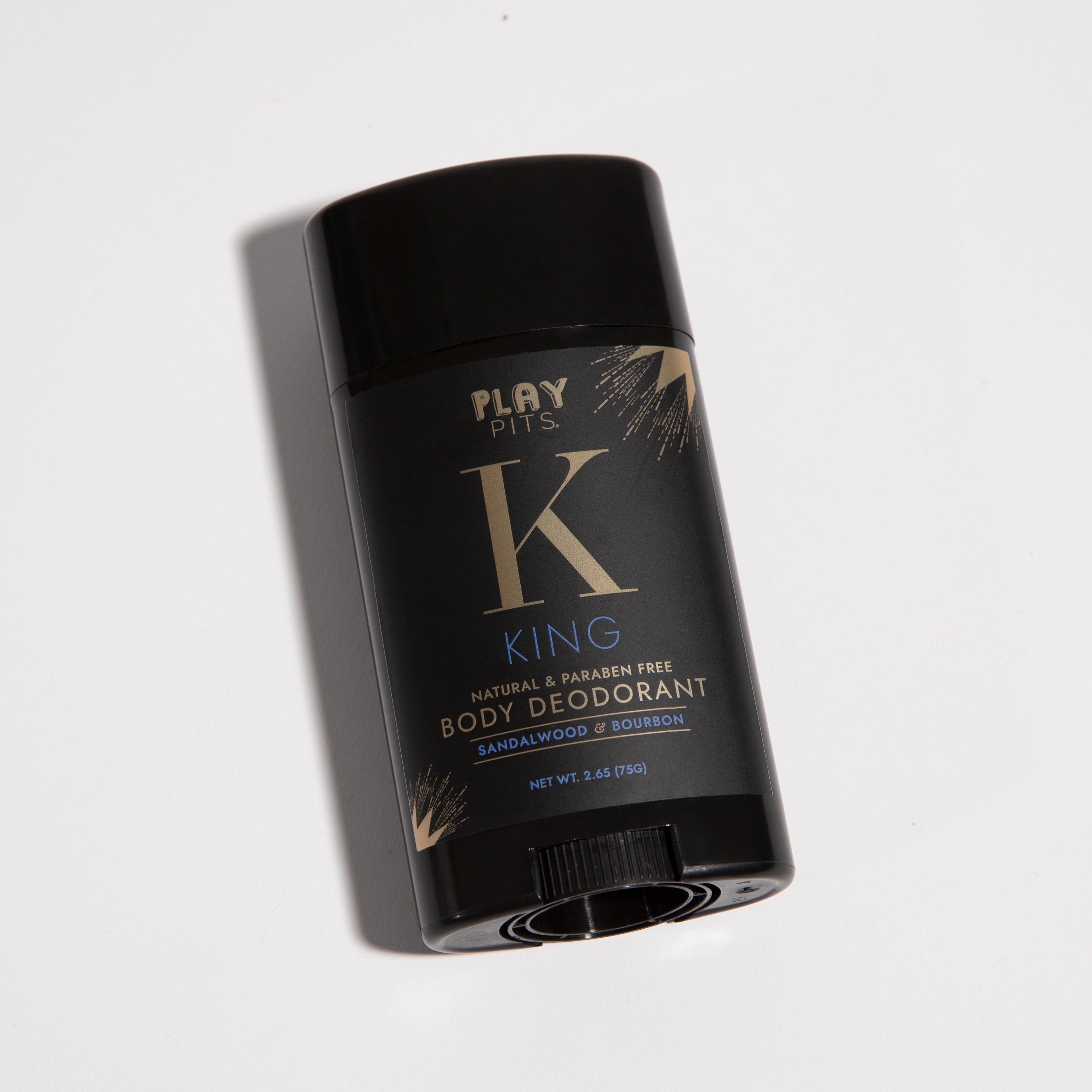
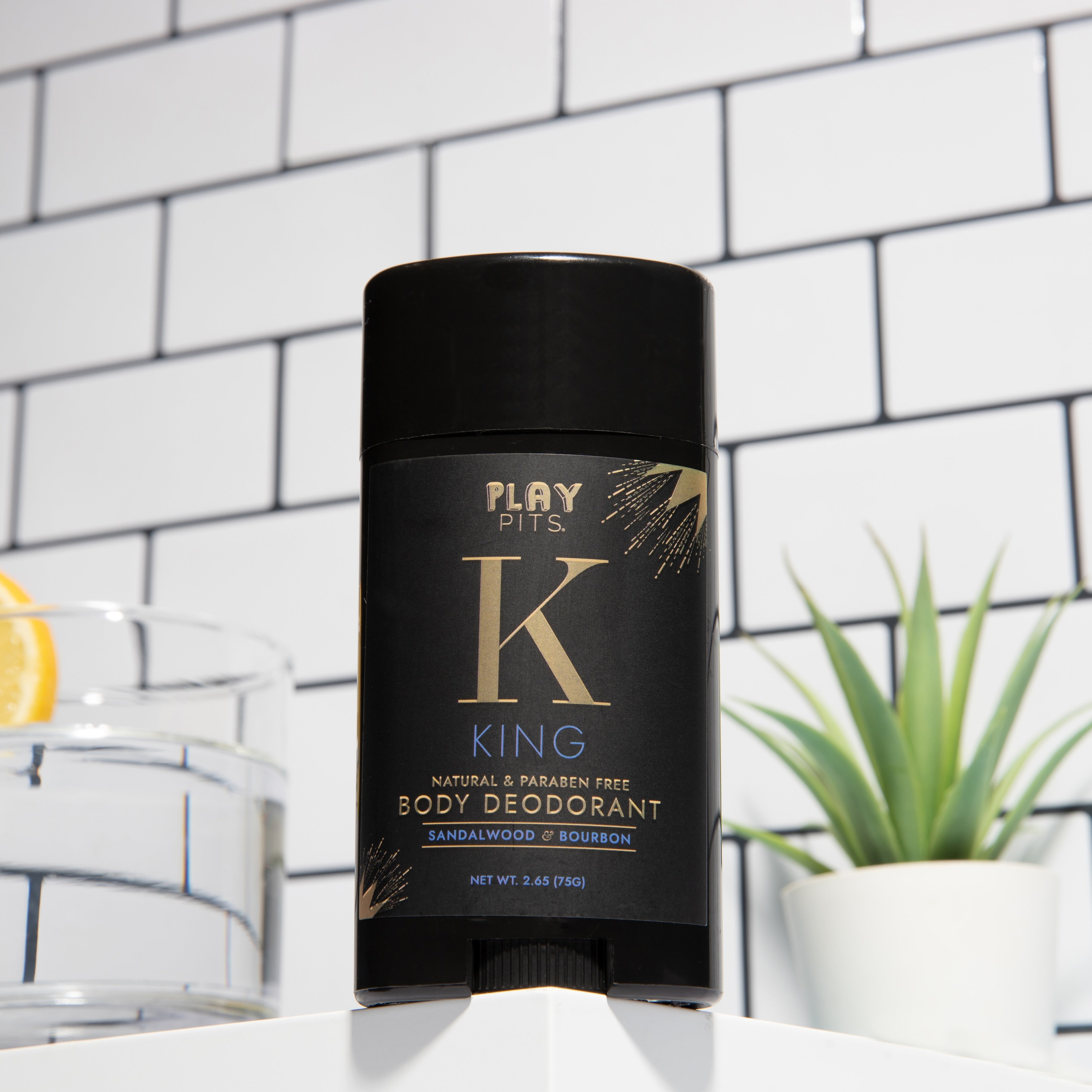
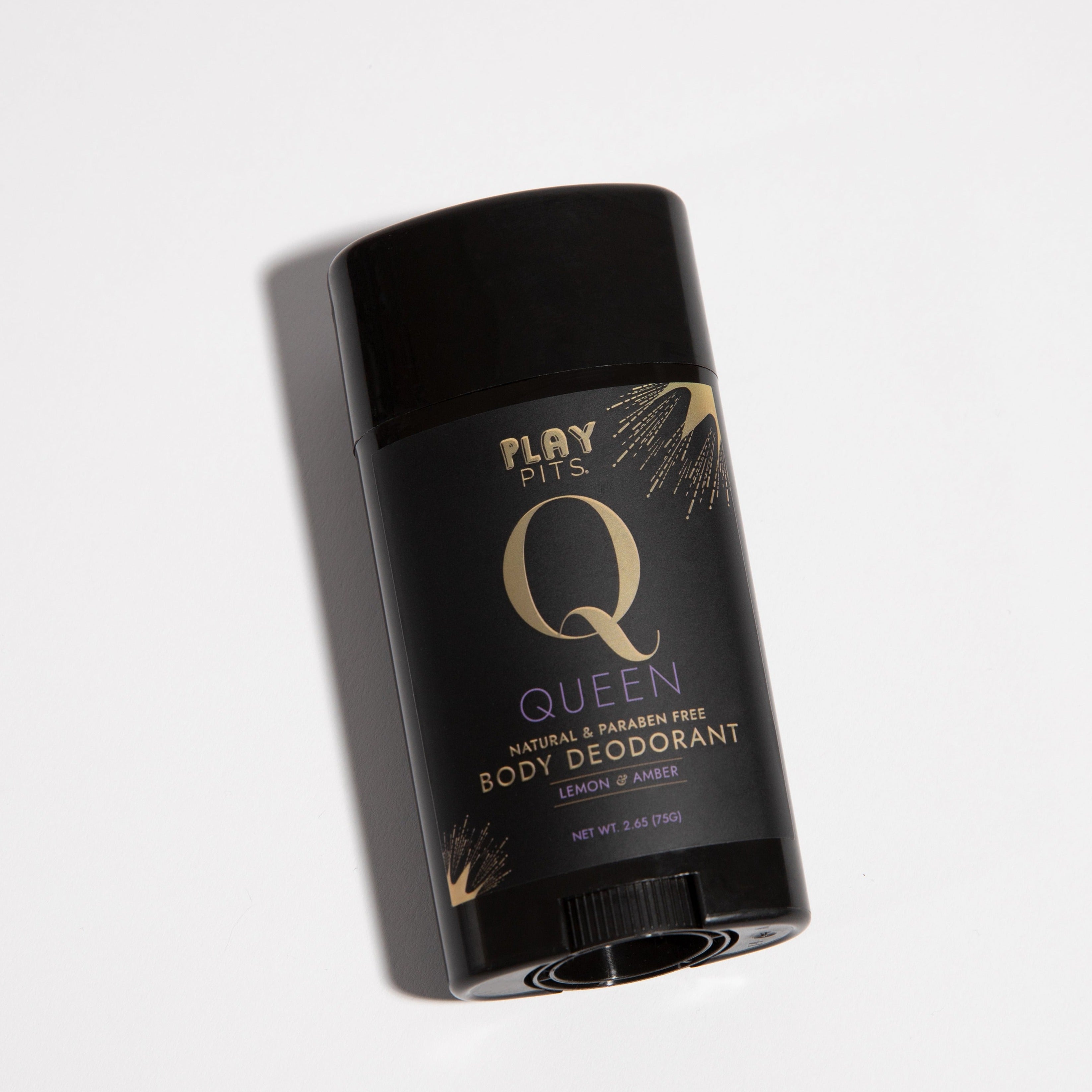
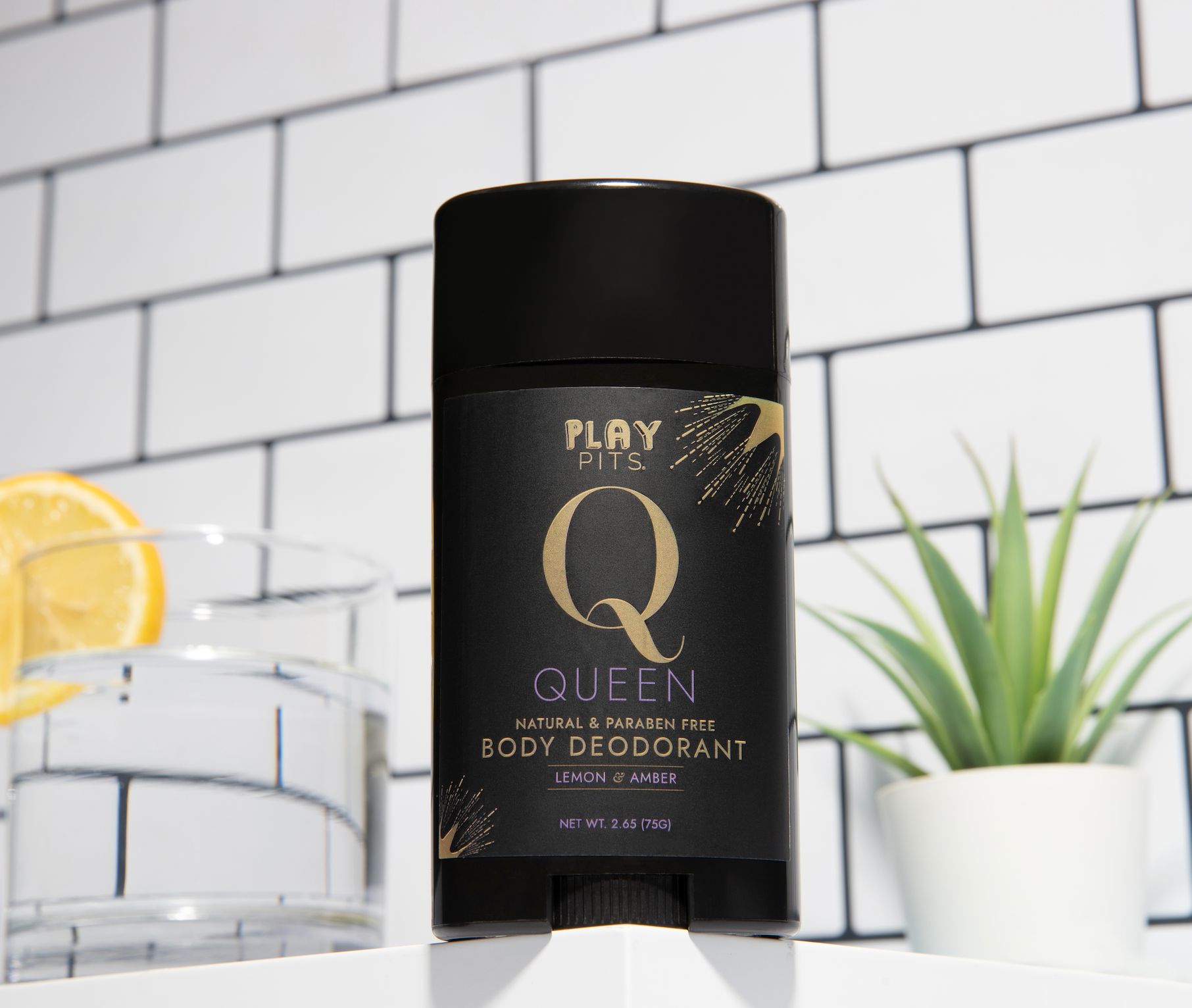
Ingredients that fit your family's preferences. Play Pits products are aluminum salt-free and paraben-free, and are made with quality ingredients. The brand's formulas are vegan and cruelty-free.
-
Skin comfort. A "natural" label doesn't guarantee that every ingredient will work for every person. Fragrance and other ingredients can bother some skin. If your tween has sensitive skin or a history of irritation, read the ingredient list carefully.
-
A scent they'll actually use. A light, pleasant scent may be more appealing than an overpowering one. Let your child weigh in.
-
A product that suits the household. Some families prefer a kid-friendly scent; others want one deodorant the whole family can share.
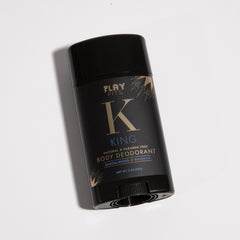
Play Pits was started by mom and founder Chantel Powell after her son Kam came home from sports smelling like a grown man. She wanted something that felt kid-friendly but could keep up with an active athlete. That first deodorant moment is still at the heart of the brand.
Explore Play Pits' kids' deodorant options, including SUGA, HAPPY, and SONSHINE. If baking soda has bothered your tween's skin before, LOVE is a baking soda-free option formulated for sensitive skin. Check the product details and ingredients before choosing.
How to start, and what to watch for
Make the first few uses easy and low-pressure:
-
Start with clean, dry skin. Apply according to the product label.
-
Use a modest amount. More product isn't automatically more effective.
-
Keep the routine simple. Many families add deodorant after getting dressed or during the morning bathroom routine.
-
Check in after a few uses. Ask whether the scent, texture, and routine feel comfortable.
-
Watch for irritation. Stop using the product if your tween develops itching, burning, redness, or a rash. Rinse the area gently and let the skin settle. If the reaction persists or is concerning, contact a healthcare professional.
If your tween has eczema, known allergies, or a history of reactions to personal-care products, consider asking their pediatrician or dermatologist for guidance. A small test on a limited area of intact skin may help you notice a reaction, but it cannot guarantee that a product won't irritate later.
For additional background, Nemours KidsHealth explains deodorant use for kids and teens. It recommends watching for a rash and trying a different product if irritation develops.
Sports-season and gym-bag routine
A deodorant habit works best alongside basic hygiene. Keep the routine practical:
-
Wash underarms with soap and water, especially after exercise.
-
Dry skin well before applying deodorant.
-
Pack a clean shirt for after practice when possible.
-
Change out of sweaty clothes after sports.
-
Keep deodorant in a backpack or gym bag if your tween wants to freshen up away from home.
-
Label personal-care items so they don't get mixed up with a teammate's.
Body wipes can be a convenient extra for an on-the-go freshen-up. They don't replace a shower or clean clothes, but they can help bridge the gap between school and practice. Play Pits offers deodorizing body wipes for busy days.
Common parent worries
"Is my tween too young?"
There is no fixed starting age for deodorant. If body odor is present and your child is comfortable trying it, deodorant may be a reasonable hygiene step. If odor or other puberty changes appear unusually early, ask your pediatrician. The American Academy of Pediatrics advises checking in about puberty changes that begin before age 8.
"What if the deodorant irritates their skin?"
Stop using it if irritation appears. Some people react to particular ingredients, including fragrances. Check the ingredient list and consider a different formula; a baking soda-free option may suit a tween who has reacted to baking soda. Seek medical guidance for persistent or severe irritation.
"Will deodorant stop sweating?"
Not necessarily. Deodorant helps with odor, while antiperspirant is designed to reduce sweating. If sweating is constant, unusually heavy, or affecting your tween's activities or confidence, discuss it with their pediatrician. For more on body odor and practical hygiene, see the American Academy of Pediatrics' guidance.
"What if my tween doesn't want to use it?"
Ask what part feels uncomfortable. They may dislike the scent, the texture, or the idea of being singled out. Offer choices and keep the conversation private. A small change in product or routine can make the first step feel more like their decision.
The simple starting point
Notice the signs. Talk privately. Let your tween help choose. Start with clean, dry skin, follow the product directions, and watch for irritation.
The first deodorant doesn't need to be a big milestone. It can be one small tool that helps your tween feel ready for class, practice, and everything in between.
Leave a comment