







Quick answer: Maybe.
There is no magic age for starting deodorant. If your 7-year-old has noticeable underarm odor, a child-friendly deodorant may help. But because body odor at this age can overlap with early hormonal changes, it is smart to check in with your child’s pediatrician first.
No panic. Just a quick health check, a simple hygiene routine, and the right product.
Here are 10 things every parent should know.
1.There is no official “right age” for deodorant
Kids develop at different times. Some children begin to notice body odor around age 7. Others do not need deodorant until the tween or teen years.
The practical rule is simple:
• Noticeable odor? Start a conversation.
• Odor after sports or outdoor play? Improve the post-activity routine.
• Persistent odor at rest? Contact your pediatrician.
• No odor? There is no need to start deodorant just because other kids are using it.
Deodorant is a hygiene tool. It is not a milestone your child has to reach by a certain birthday.
2. Body odor at age 7 deserves a pediatrician check-in
Body odor before age 8 in girls or age 9 in boys can be associated with a hormone change called premature adrenarche. According to the American Academy of Pediatrics, adult-type underarm odor can be one of its early signs.
This does not automatically mean something is wrong. Many cases are harmless. Still, your pediatrician can check your child’s growth and development and help you understand what is normal for them.
Recommended next step: Schedule a check-in if your 7-year-old has strong or ongoing body odor.
3. Look for other signs of early puberty
Body odor on its own may not be a problem. Pay attention to what else is happening.
Tell your pediatrician if odor appears with:
• Pubic or underarm hair
• Breast development
• Testicular or genital enlargement
• A sudden growth spurt
• Acne
• Rapid changes in body development
The American Academy of Pediatrics explains premature adrenarche in more detail. Your child’s doctor can tell you whether monitoring is enough or whether additional evaluation is needed.
Status: Notice something new? Make the call. Reassurance is useful too.
4. Activity, heat, and clothing can create odor
Not every smell is hormone-related.
A 7-year-old may smell after:
• Soccer practice
• Basketball
• Dance class
• Summer camp
• Recess
• A hot day
• Wearing the same shirt for too long
• Sitting in damp athletic gear
Sweat itself is not usually the main source of odor. Odor develops when sweat mixes with bacteria on the skin. Active kids simply create more opportunities for that combination.
Start with the basics:
• Wash underarms daily.
• Bathe after heavy activity.
• Dry thoroughly.
• Change shirts, socks, and underwear regularly.
• Do not leave sweaty clothes in a sports bag overnight.
One small routine can save a whole car ride.
5. Start with hygiene before adding deodorant
Before buying a product, teach your child how to wash their underarms properly.
Use mild soap and water. Encourage your child to wash, rinse, and dry the area instead of doing a quick splash-and-run routine. If they are old enough, let them take responsibility while you provide a reminder.
A simple routine might look like this:
1. Wash underarms during a bath or shower.
2. Rinse away soap.
3. Dry completely with a clean towel.
4. Put on a clean shirt.
5. Apply deodorant if your pediatrician agrees it is appropriate.
If odor continues despite regular washing, deodorant may be the next step.
6. Know the difference between deodorant and antiperspirant
The labels can look similar. The products work differently.
Deodorant helps manage odor. It may neutralize odor and add a light scent.
Antiperspirant is designed to reduce sweating. It generally uses aluminum salts to temporarily reduce perspiration.
For a young child with odor but no unusual sweating, deodorant may be all they need. Always read the product label and follow the directions.
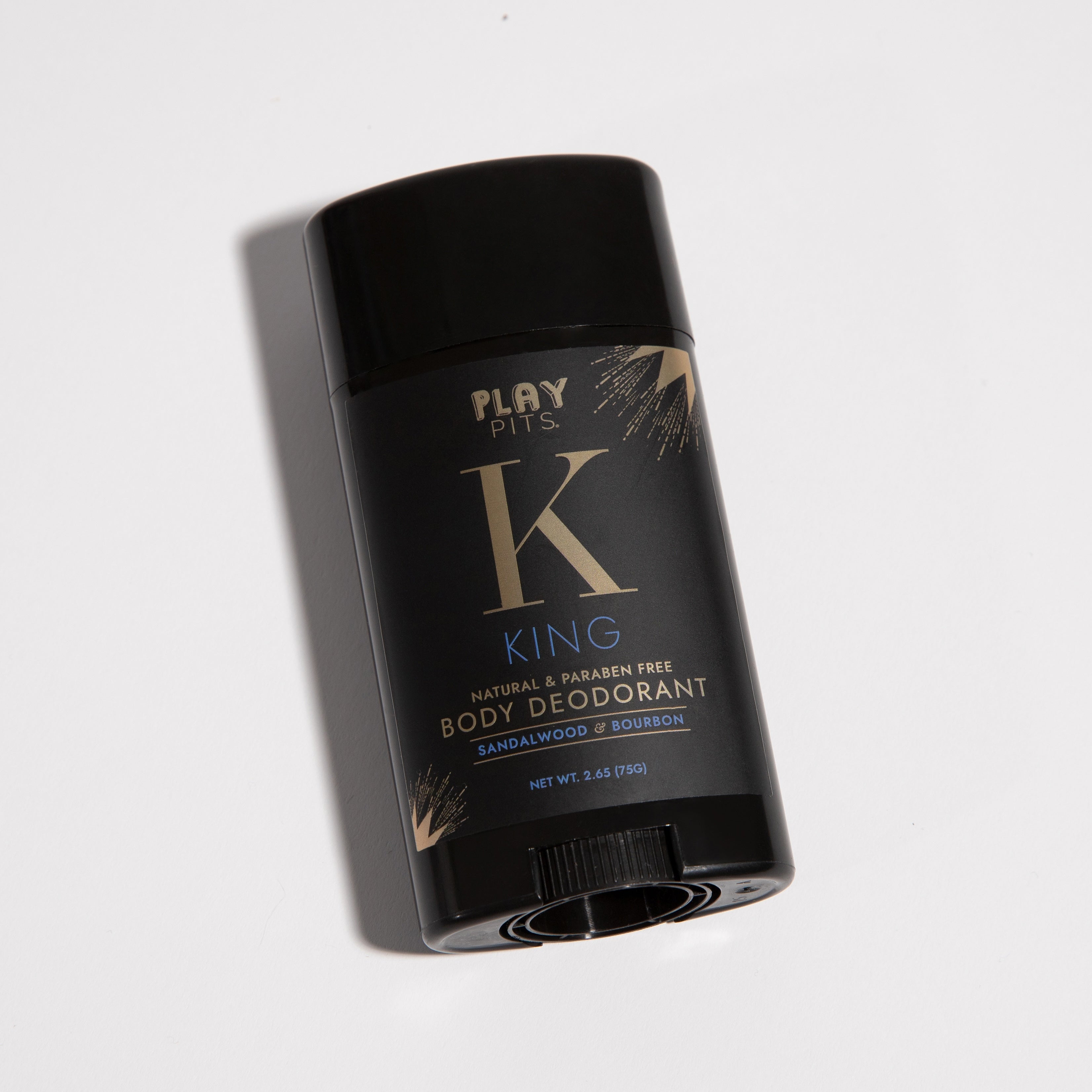
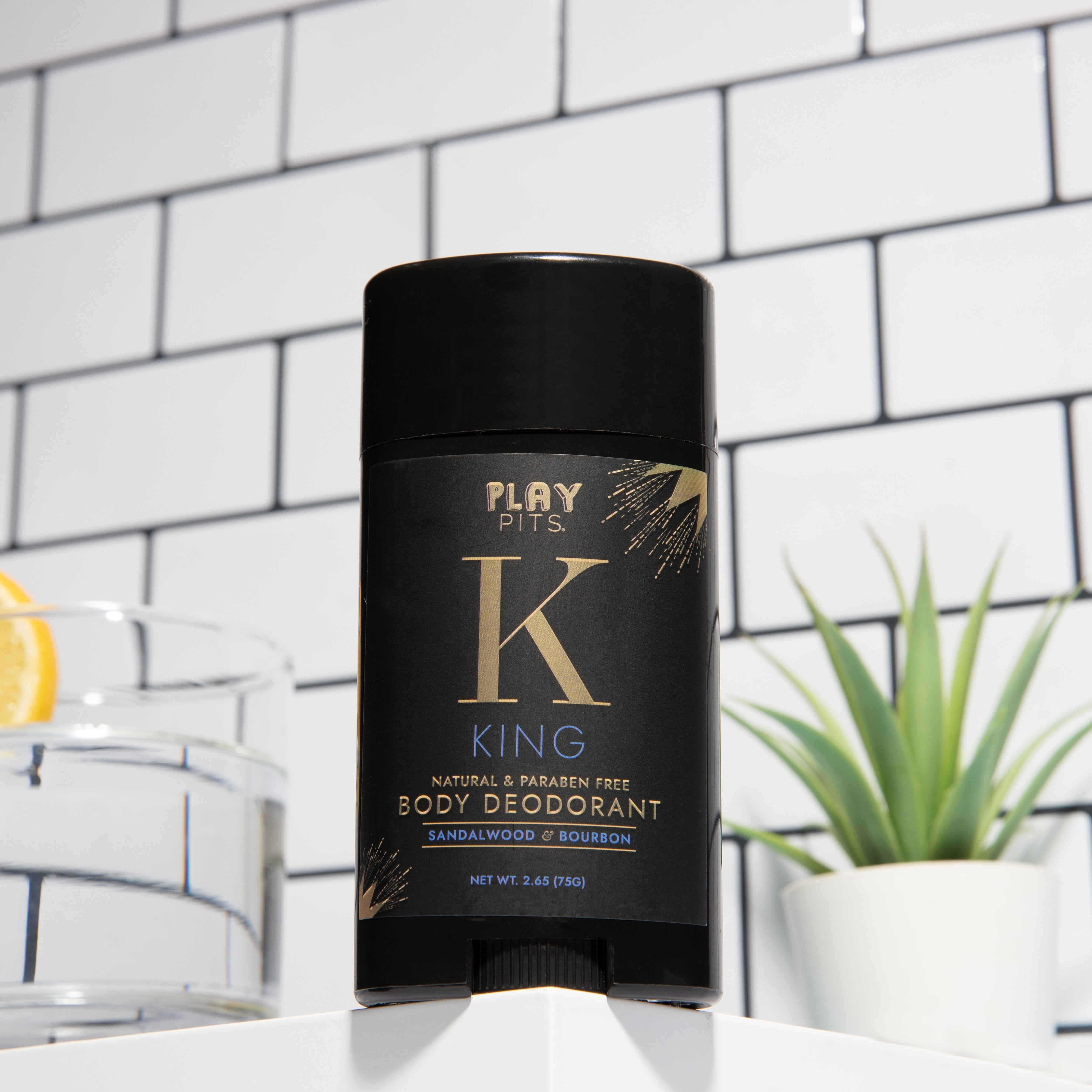
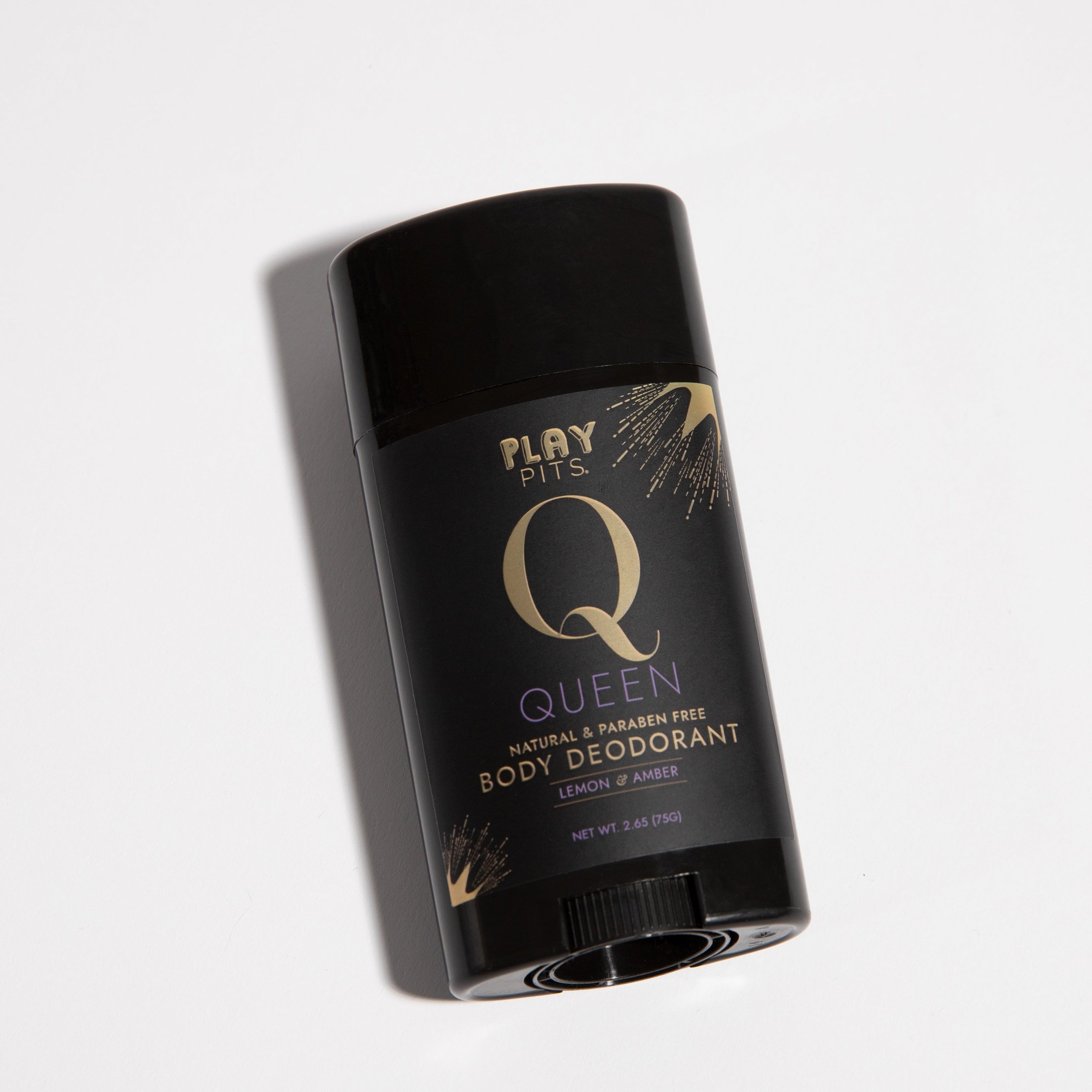
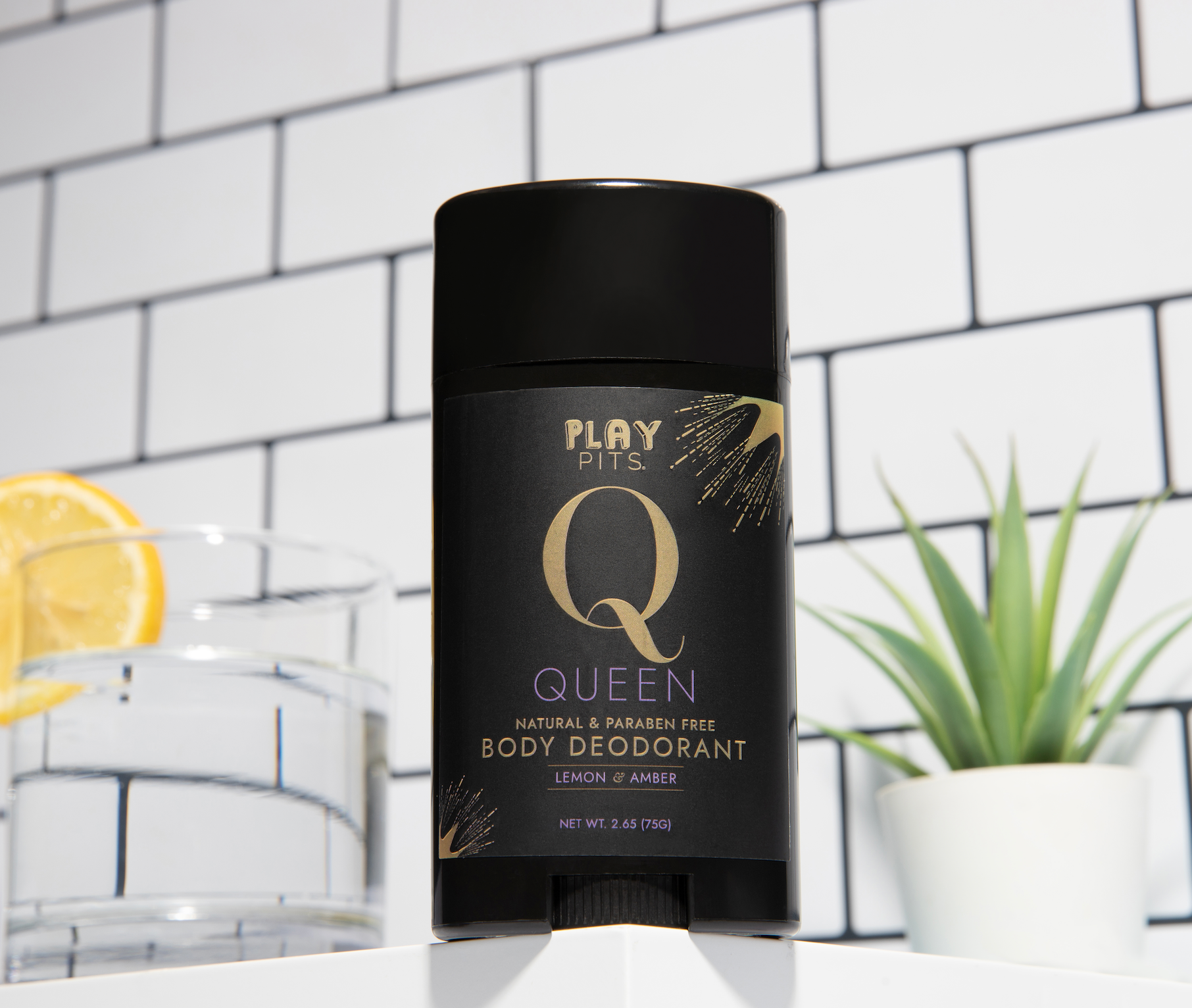
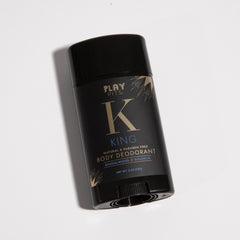
Play Pits makes family-friendly deodorants that are aluminum salt-free, paraben-free, vegan, and cruelty-free. The formulas are created for active kids and families who want odor protection without reaching for conventional antiperspirant.

7. Choose a stick, cream, or roll-on instead of a spray
Sprays can be difficult for younger children to use safely. They may spray too close to the face, get product in their eyes, or inhale the mist.
A stick, cream, or roll-on is easier to control.
When choosing deodorant for a 7-year-old, look for:
• Clear usage directions
• A format your child can apply independently
• A scent they actually like
• Ingredients suited to their skin
• A formula that does not sting or irritate
• A product designed for family or kid-friendly use
Play Pits offers a kids deodorant collection with scents such as SUGA, HAPPY, and SONSHINE.
The goal is simple: make daily hygiene easier to understand and more enjoyable to use.
8. Sensitive skin may need a baking soda-free option
Some children tolerate baking soda well. Others may develop redness, itching, or irritation, especially with frequent use.
If your child has sensitive skin, consider a baking soda-free deodorant. Patch-test first by applying a small amount to a limited area. Wait and observe for irritation before making it part of the daily routine.
Stop using the product if your child develops:
• Redness
• Burning
• Itching
• Swelling
• A rash
• Persistent discomfort
Play Pits offers a baking soda-free collection, including the Love Coconut & Tiare Flower deodorant.
Check the current product label for complete ingredient and usage information.
9. Teach deodorant as self-care: not a correction
Body odor can feel embarrassing. Avoid teasing, nicknames, or announcing the issue in front of other people.
Use calm, direct language:
“Your body is growing and changing. Let’s add one more hygiene step.”
Let your child help choose the scent. Show them how much to apply. Explain that more product is not better.
For most sticks, a light, even layer is enough. Apply to clean, dry underarms. Do not apply to broken or irritated skin.
This is also a good time to create a morning checklist:
• Brush teeth
• Wash face
• Apply deodorant
• Put on clean clothes
• Pack sports gear
No lecture required. Just a routine.
10. Keep an active-kid backup plan
Deodorant works best on clean, dry skin. It is not a substitute for bathing after a sweaty activity.
For sports, travel, camp, and long days away from home, pack:
• A clean shirt
• A small towel
• Water
• Deodorant
• Body wipes
• A bag for damp clothes

Play Pits Kids Deodorizing Body Wipes are made for quick refreshes on the go. They can help your child feel cleaner after practice or before the ride home. Use them as a refresh: not as a replacement for a proper bath or shower.
So, is your 7-year-old ready for deodorant?
If your child has noticeable odor, good hygiene is not enough, and your pediatrician is comfortable with deodorant use, a gentle child-friendly product may be a reasonable choice.
Use this checklist:
• Talk with your pediatrician about persistent odor.
• Check for other signs of early puberty.
• Establish a daily washing routine.
• Choose a stick, cream, or roll-on.
• Consider a baking soda-free option for sensitive skin.
• Patch-test before regular use.
• Apply to clean, dry skin.
• Monitor for irritation.
• Pack a backup for sports and travel.
• Keep the conversation positive.
Play Pits was created after founder Chantel Powell faced the same problem with her active son, Kam. She wanted a deodorant that felt safe enough for a child, worked well enough for sports, and was fun enough to use every day. That first solution grew into a family hygiene brand built for active kids and families.
Ready to make the first deodorant moment easier?
Explore Play Pits kids deodorant and choose a fresh-start routine that works for your family
Leave a comment